
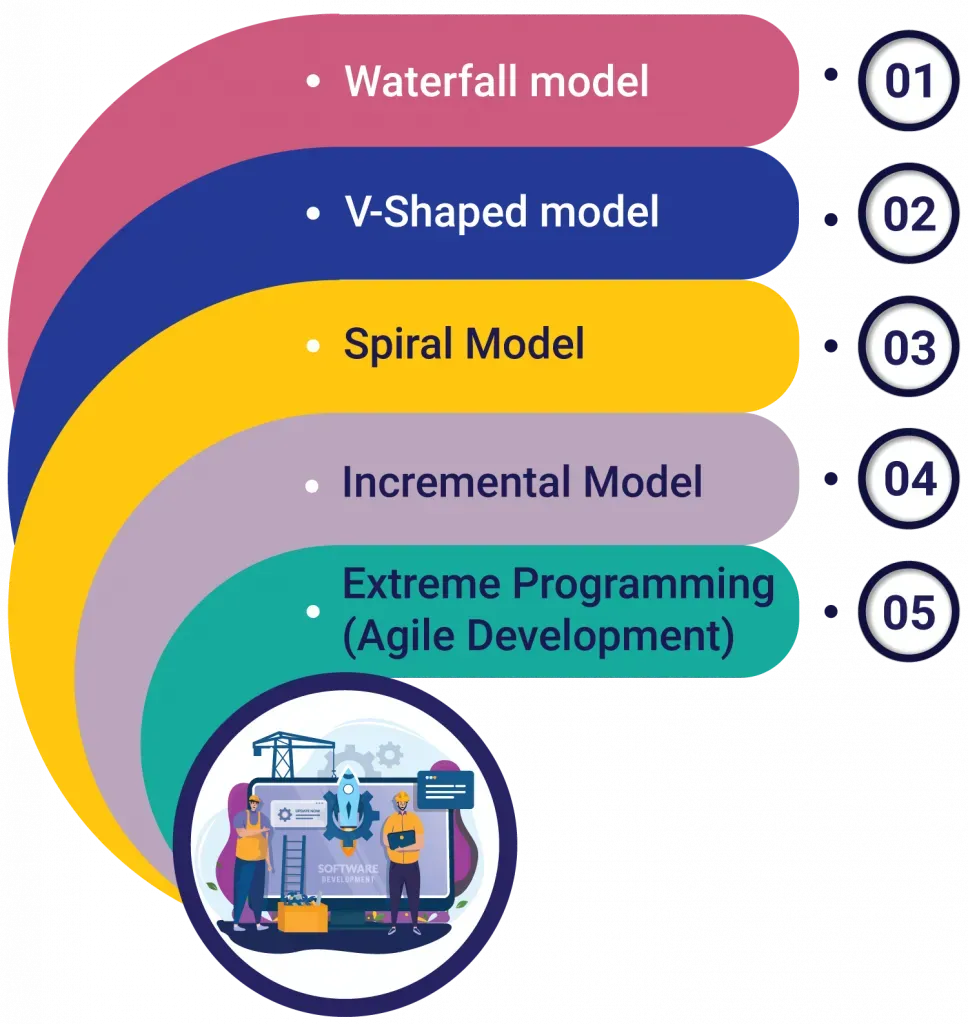
Software development methodologies shape how teams turn ideas into reliable software, guiding planning, collaboration, and delivery. Within this family, agile development emphasizes iterative work, customer feedback, and adaptability. Scrum provides concrete roles, ceremonies, and artifacts to maintain alignment. Kanban helps visualize work and optimize flow, while Lean software development focuses on waste reduction and fast learning. Together with DevOps practices, these approaches accelerate value delivery and improve quality across the lifecycle.
From a terminology perspective, the topic can be framed as flexible development strategies, iterative delivery methods, or structured engineering practices. These concepts cover approaches such as rapid delivery cycles, cross-functional teams, and automated pipelines that enable continuous improvement. By thinking in terms of delivery frameworks, organizational culture, and measurement-driven learning, teams can tailor methods to their context.
Software development methodologies: Blending Agile, Scrum, Kanban, Lean, and DevOps for faster delivery
Software development methodologies provide a toolbox for building software with speed and quality. A blended approach draws on agile development’s iterative delivery, Scrum’s defined roles and ceremonies, Kanban’s visual workflow, Lean software development’s waste reduction, and DevOps’ emphasis on automation and collaboration. When teams tailor these elements to their context, they create a robust value stream that accelerates delivery while maintaining reliability and customer feedback.
By visualizing work, setting WIP limits, and embracing continuous learning, organizations can reduce handoffs and risk. Start with a product backlog and a cadence that fits the team, apply short sprints, and automate testing and deployment to shorten feedback loops. The goal is to align stakeholders, improve predictability, and sustain momentum through regular retrospectives and measurable flow metrics like lead time and throughput.
Practical steps to apply agile development, Scrum, Kanban, Lean software development, and DevOps in real-world projects
Begin by articulating a clear product vision and identifying the target metrics you want to improve, such as lead time and deployment frequency. Map your current processes into a value stream and select a pragmatic mix of Agile development principles, Scrum cadences, Kanban for maintenance, and Lean elimination of waste. Invest in automation, CI/CD pipelines, and automated testing to create reliable feedback loops that speed up delivery without sacrificing quality.
Foster a DevOps culture that bridges development and operations, enabling continuous integration, continuous delivery, and observability. Encourage cross-functional, small, autonomous teams and use feature flags to decouple release timing from feature development. Regularly review flow metrics in retrospectives, adjust WIP limits, and refine the backlog to ensure the organization remains responsive to change while maintaining stability and customer value.
Frequently Asked Questions
Which software development methodologies—agile development, Scrum, Kanban, Lean software development, and DevOps—are most effective at accelerating project delivery?
Software development methodologies provide proven frameworks to deliver faster while maintaining quality. For speed, combine agile development with Scrum to structure work in time-boxed sprints, use Kanban to visualize flow and cap WIP, Lean software development to eliminate waste and focus on customer value, and DevOps to automate CI/CD and improve deployment reliability. Start with a shared backlog and clear sprint goals, and use retrospectives to shorten cycle times and reduce rework.
How can teams blend software development methodologies (agile development, Scrum, Kanban, Lean software development, DevOps) to accelerate projects without sacrificing quality?
Begin with a base of agile development and Scrum for cadence, complement with Kanban to optimize flow and Lean software development to eliminate waste, and embed DevOps practices (CI/CD, automated testing, monitoring) to speed delivery. Tailor the mix to your team and project, start with a minimal viable product (MVP), and measure metrics such as lead time, cycle time, and deployment frequency to drive continuous improvement.
| Topic | Key Points |
|---|---|
| Software development methodologies |
|
| Agile Development and Scrum |
|
| Kanban |
|
| Lean Software Development |
|
| DevOps |
|
| Choosing the Right Mix |
|
| Best Practices to Accelerate Projects |
|
| Common Pitfalls to Avoid |
|
| Practical Implementation Tips |
|
| Real-World Scenarios and Examples |
|
| Measuring Success |
|
Summary
Software development methodologies provide a practical toolbox for teams seeking to accelerate projects while maintaining or improving quality. By blending agile development, Scrum, Kanban, Lean software development, and DevOps to fit team structure, culture, and domain, organizations can create a more responsive and reliable software delivery process. Start small, measure impact, automate where possible, and cultivate a culture of continuous learning to sustain momentum in a competitive landscape.