News framing in politics shapes how citizens perceive governance and policy options. Through selective emphasis and contextual cues, media framing helps determine what the public sees as most important. Framing theory explains why different outlets tell different versions of the same event. These framing choices influence framing effects in politics, shaping perceptions of responsibility, priorities, and the legitimacy of political actors. By recognizing framing mechanisms, readers can engage more critically with headlines and coverage.
Frame analysis in political communication offers an alternative vocabulary for the same dynamics, describing how reporters select angles and metaphors to guide interpretation. Narrative construction in media coverage highlights how tone, imagery, and the arrangement of facts steer audience understanding. Additional related concepts include issue framing in public discourse, media narratives that move public sentiment, and the broader idea that frames steer policy support. By comparing these related constructions—tone, angle, and interpretive cues—readers can evaluate coverage across outlets more effectively.
News framing in politics: How media framing shapes public debate
News framing in politics shapes not only what gets reported but what the public decides is important. Through media framing, outlets select facts, metaphors, and visual cues that guide interpretation, influencing which actors are blamed or credited and how policy proposals are evaluated. This process aligns with framing theory, which explains how different presentations of the same reality can steer public attention, emotion, and overall sentiment toward political issues.
Newsroom routines, editorial standards, and audience expectations interact with the political economy of media to produce frames. A frame often rests on four elements: problem definition (what counts as the issue), causal interpretation (who or what is responsible), moral evaluation (whether the outcome is framed as good or bad), and remedy (what should be done). When these elements are foregrounded or downplayed, they shape public opinion and guide political conversation, reinforcing the power of media framing in shaping democratic discourse.
Episodic vs. thematic frames: Framing theory and its impact on public opinion
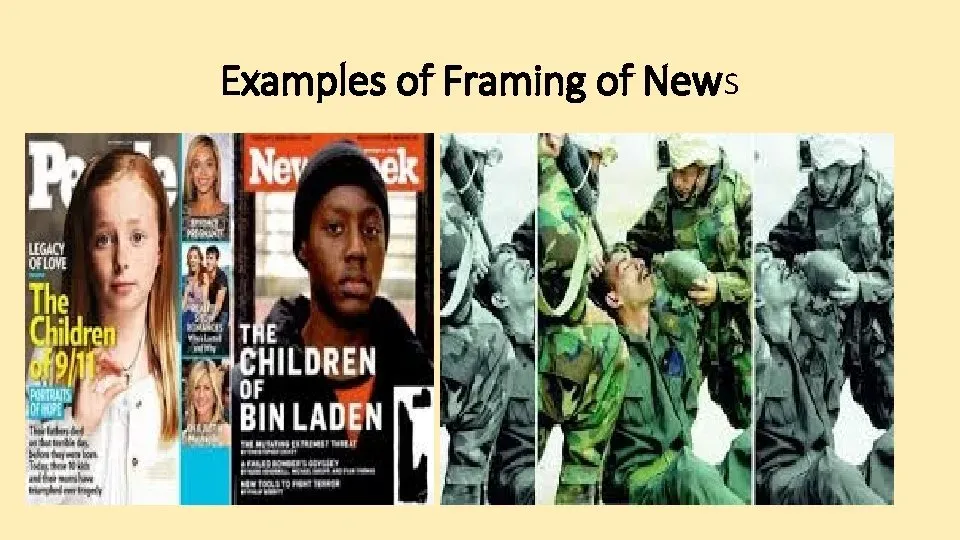
In political communication framing, episodic frames center on individuals or specific events, which can assign blame or sympathy to a person and influence perceptions of competence or trust. Thematic frames, by contrast, emphasize institutions, structural forces, or broad social trends, pushing audiences to consider systemic causes and policy solutions. This dichotomy illustrates how framing effects in politics can lead to divergent interpretations of the same issue across outlets.
These framing patterns help explain why public opinion varies by media source and how framing effects persist even when the factual data are similar. By examining the interplay between frames and audience predispositions, researchers highlight the connections among media framing, public opinion and media dynamics, and the overall media influence on policy debates. Understanding these processes enhances media literacy and supports a more informed citizenry in contemporary democracies.
Frequently Asked Questions
What is news framing in politics and how do framing effects in politics shape public opinion and policy support?
News framing in politics refers to the deliberate or unconscious way coverage selects angles, language, and context to present an issue. Framing effects in politics describe how these frames can shift public opinion by influencing what people see as important, where they assign blame or credit, and how they evaluate policies. Journalists may use episodic frames (focusing on individuals or events) or thematic frames (highlighting institutions or broad systems), and visuals or metaphors can further prime interpretation. Understanding framing theory and media framing helps readers recognize that coverage is interpretive, not merely a factual report, which is essential for thoughtful civic participation.
How does political communication framing utilize media framing and framing theory to shape audience interpretation of political events?
Political communication framing uses media framing to present stories with specific angles—emphasizing particular causes, consequences, or moral judgments—to guide audience interpretation. Framing theory explains why the same facts can yield different opinions when presented through episodic versus thematic frames or via certain metaphors and visuals. Audiences process frames through prior beliefs, so framing effects are more likely when issue importance is high or media literacy is limited. For a healthier democratic discourse, journalists should clearly distinguish news from opinion and offer multiple frames to help the public evaluate policy options.
| Section | Key Points |
|---|---|
| Introduction |
|
| What is News Framing in Politics? |
|
| Framing Theory and Core Mechanisms |
|
| Framing Effects and Public Opinion |
|
| The Newsroom Ecology and the Politics-Audience Feedback Loop |
|
| Public Opinion and Media: The Interaction is Complex |
|
| Case Studies: How Frames Shape Perception in Real Politics |
|
| Frame, Emotion, and Policy Debates |
|
| Implications for Democracy and Media Literacy |
|
| What Consumers Can Do |
|
| The Responsibility of Journalists and Institutions |
|
| Conclusion |
|
Summary
News framing in politics shapes how audiences interpret policy issues, assign responsibility, and form opinions. This descriptive overview highlights how frames operate through definitions, metaphors, language, and visuals, and how they interact with audience beliefs, media systems, and technological platforms. Understanding framing helps citizens evaluate coverage more critically, seek diverse perspectives, and participate more thoughtfully in democracy. As media ecosystems evolve with algorithms and social platforms, ongoing media literacy becomes essential for navigating competing frames and making informed political judgments. Ultimately, recognizing framing processes empowers people to engage constructively in public life and support evidence-based decision-making.